
TRIBAL GAP YEAR
Choose Four—or Embark on All Five: One Transformative Journey.
We’ll help you customize your path—from one month to a full year.
-
Overview
Our Tribal Gap Year, designed for students eager to connect with ancient cultures, offers a blend of structure and supported independence. Farm-based homestays provide deep immersive experiences in sustainable farming, ceremonies, rituals, art, and music.
-
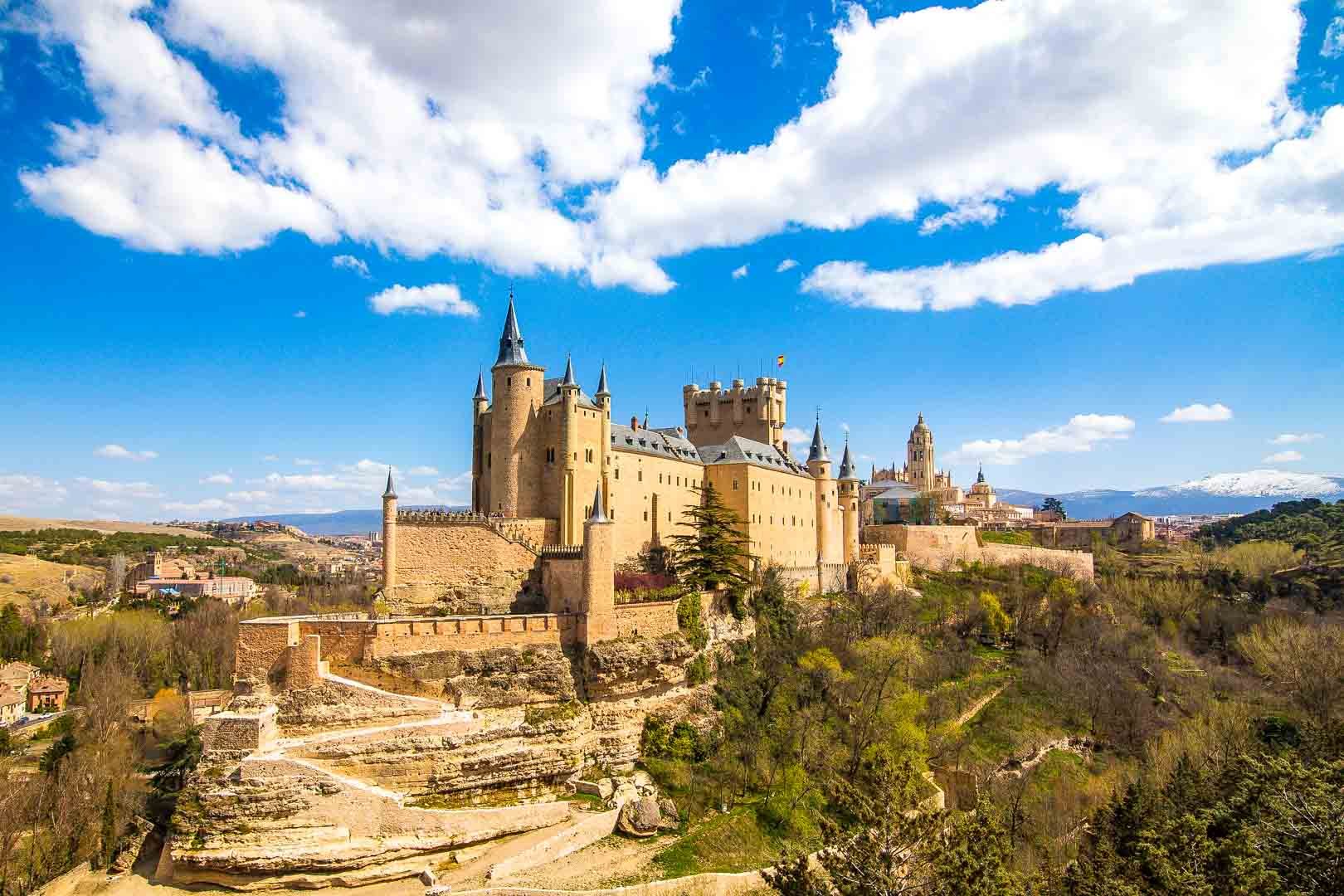
Spain Semester
Our college credit program is tailored for students aged 18 and older. It helps students improve their Spanish language skills while offering the chance to earn college credits in Spanish language courses abroad, enhancing their academic journey.
-
Gap Year Student
Participating in a gap year program like this profoundly enhances personal growth and character development. Tribal Gap Year students cultivate independence, self-reliance, and form strong relationships, hallmarks of this experience.


Gap Year Countries
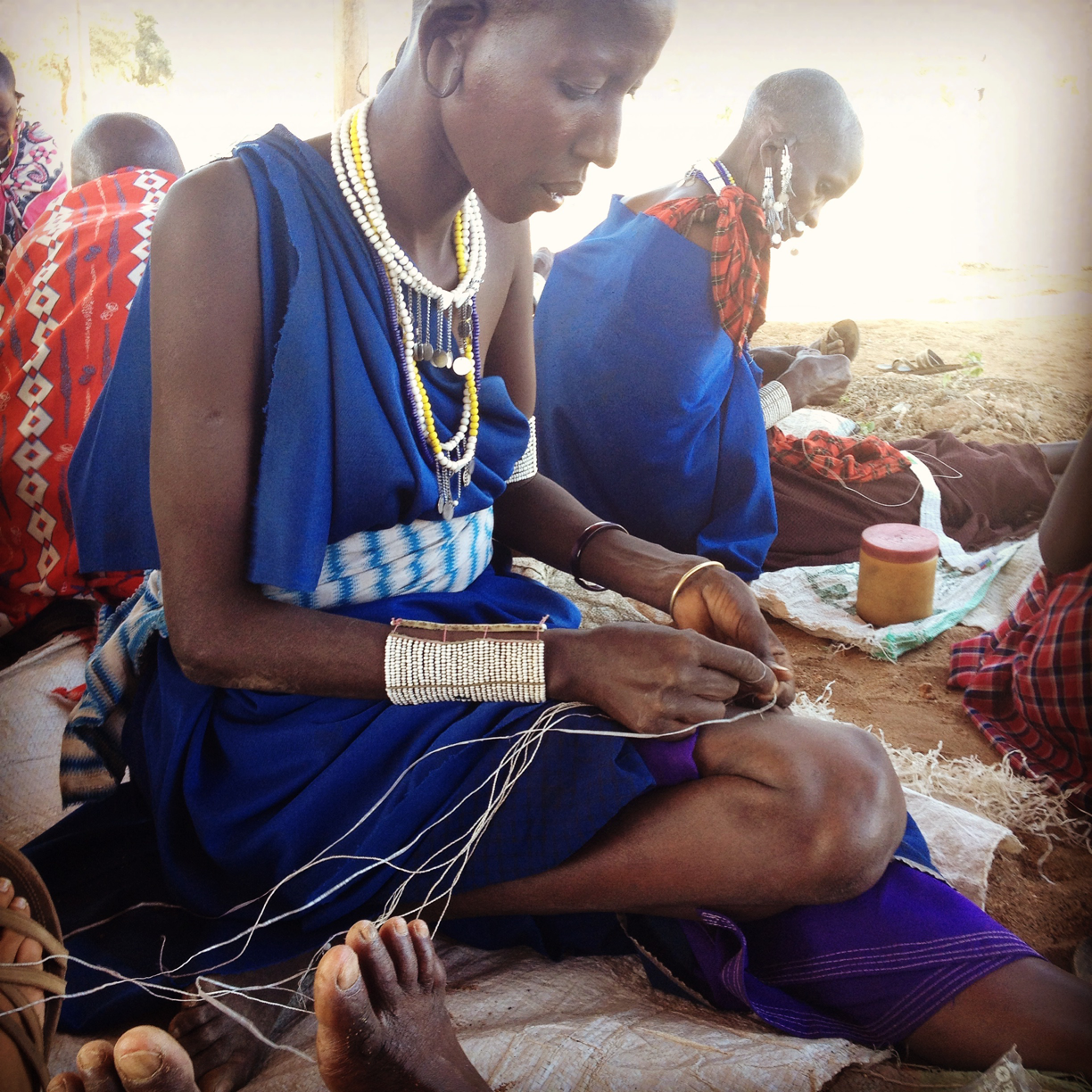
Tanzania and the Maasai
Based in Longido with a Maasai tribe, Gap year students will work side-by-side with people of Tanzania. There are a variety of ways for students to get their hands dirty during their stay — from building a playground at a village school, to gathering water and milking goats, days will be full and fulfilling.
During a weekend excursion, students will experience the raw beauty of Tanzania as they embark on a safari adventure and live with a tribe at their boma.
By continuing to go Outwards they will then discover the waterfalls near Mt. Kilimanjaro and experience sustainable practices of farming in the area. Students will have the opportunity to attend a ceremony of some kind (a wedding or a boma gathering of singing and dancing.)

Peru and Q'ero Tribe
Our base is the indigenous community and the Q’ero tribe high up in the Andean mountains of Cusco. They are a small community of farmers, weavers and medicine people.
The Q’ero looked for refuge in “villages in the clouds” following the invasion of Peru by the Spanish Conquistadors almost five hundred years ago and remain there to this day. They were “discovered” in 1949 by the anthropologist Oscar Nunez del Prado, who led the first expedition to the Q’ero villages in 1955.


Nepal and the Sherpa Foundation
Nepal the student will be staying in two locations during their time. They will begin at Maitreya Pathshala ” Future Buddha’s School” Waldorf inspired School in Pokhara. This community is dedicated to working with the land and the children. They run a biodynamic farm and also a preschool- third grade school. The student will become part of the community working on the land and also in the classrooms.
The second half of the time in Nepal works with the Sherpa Foundation and Himalayan Friends Trekking. The Gap Year student will learn first hand about Himalayan culture and traditions at the base of Mt. Everest with traditional family. They will work in the fields harvesting potatoes to spend time with monks as well as one of the Monastery that Sherpa Foundations built to soaking up the culture and language in the small village of Lukla, Nepal.


The Tribal Gap Year ends in the “developed” country of Spain. This is an important contrast to experience for optimal self-discovery and learning. Initially based in Madrid with a homestay family, the expedition concludes by walking the El Camino de Santiago. This is a traditional right of passage and it has been a sacred pilgrimage for centuries of European culture.
Spain~ El Camino and Western Culture

Bali Two-Month (or More) Immersive Experience
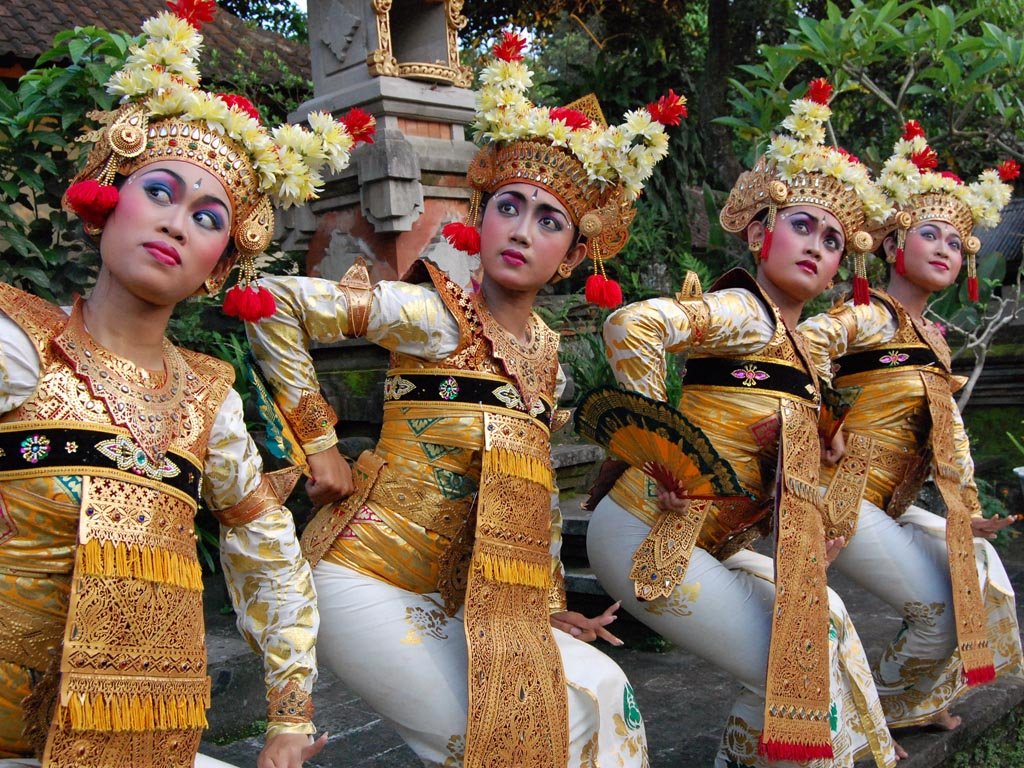
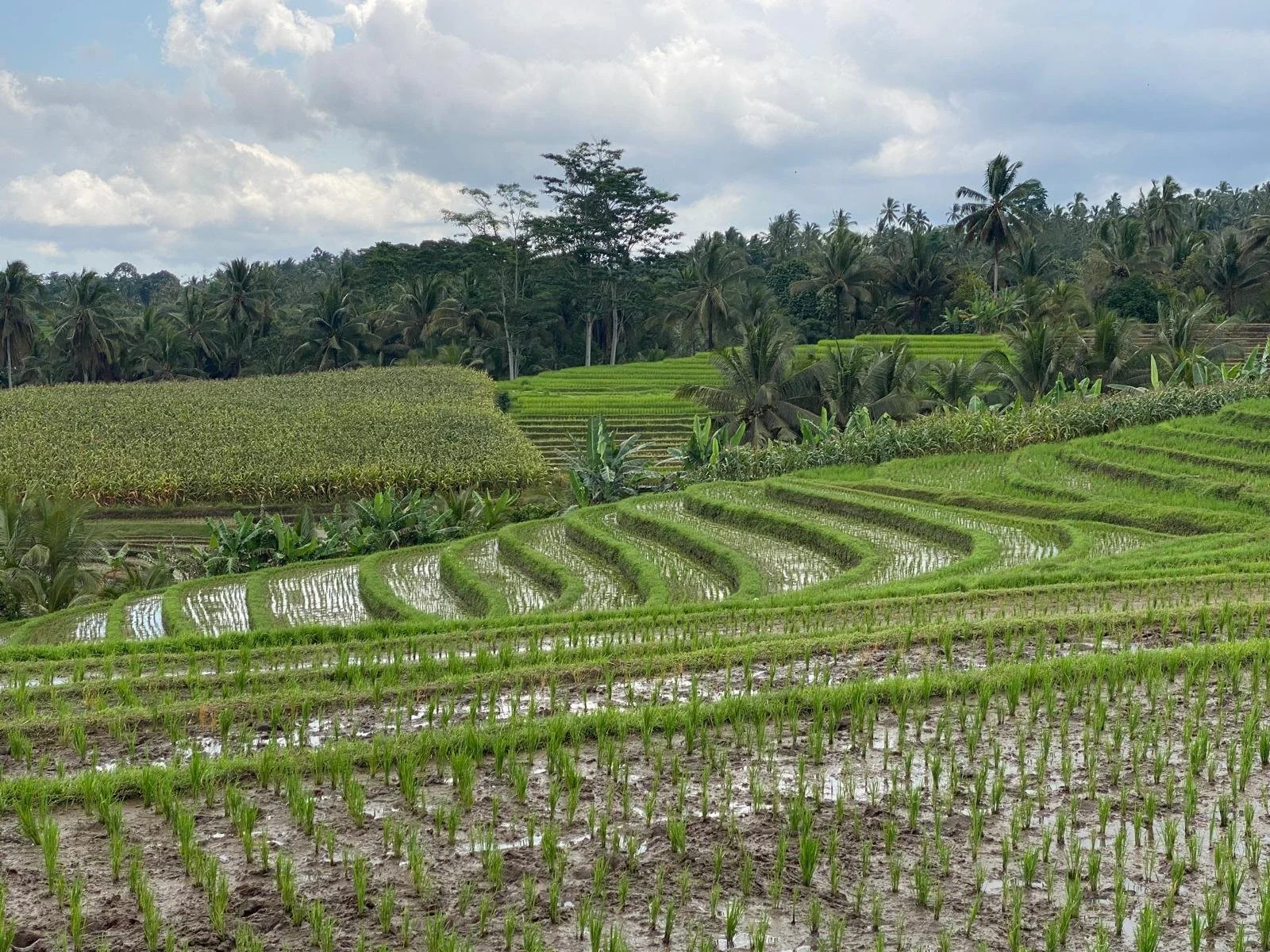
Spend two transformative months in Bali, immersing yourself in the rhythms of island life through cultural exploration, artistic expression, and meaningful mentorship. Begin your journey in Ubud, Bali’s spiritual and creative heart, where you’ll learn from master educators and GOGI’s Academic Director while collaborating with local artisans in hands-on workshops like offering-making, batik, and traditional mask carving.
Experience authentic village life through short homestays, daily language lessons, and participation in agricultural practices. Midway through the program, step into a tailored internship with GOGI Abroad, working alongside founder Liz Jackson and Gaia Oasis director Yen to research and document future homestay sites in the north.
While living in a private bungalow at Gaia Oasis, you’ll engage in ceremonies with local priests, explore sacred sites, trek to waterfalls, and reflect on your journey through journaling and storytelling. Whether you're carving a mask in Mas Village, learning herbal medicine in our Academic Director’s community, or expanding your worldview through cultural exchange, this experience is designed to deepen self-awareness, foster intercultural understanding, and inspire your role in a more connected, compassionate world.

FAQs
-
In each location, the student has both a host family and an local GOGI Coordinator to rely on for support, ideas, transportation, and cultural outings. We believe that exploring the land and culture independently is a great learning experience, and the student has many opportunities to follow interests, develop projects, and pursue new experiences. Students stay in close communication with both the local coordinator and the home GOGI office, and together, a unique cultural experience is crafted based on the interests of each student.
-
There will be a language instructor in each location to facilitate your DYNAMIC CULTURAL COMMUNICATIONS in Spanish, Swahili and Nepalese.
Language is a large part of the curriculum during this Gap Year. Students will describe themselves at the beginning of their stay with a tribe; writing about their feelings, observations and identity at the beginning of their stay, and again at the end of the stay, noting how they may have changed. You will write about how you may (or may not!) identify with each particular tribe. The writing is initially done in English and by the end of the stay is done in the native language as well. Self-awareness is a big component of Gogi Abroad and incorporating the native language of each place greatly enhances this.
Our program emphasis is focused not solely upon the academic language, but the spoken language, the dialect components, and the language of a place and culture. Students will have daily language classes with a teacher from each of the four locations. This tutelage will help students connect and engage more fully with the people, culture and history during each of their stays.
-
Communication is an essential element of GOGI program success. Through messaging apps and phone conversations, Liz is in frequent communication with host families, students, and parents. Especially during transitions and travel days, Liz is an active communicator with all parties to ensure that all details are covered and the student is packed and prepared for smooth travels.
-
With a single backpack, this trip around the world is an exercise in minimalism. An unlocked cell phone is the most important piece of equipment, and each student builds a comprehensive first-aid kit with the assistance of their personal doctor. Beyond that, the packing list is simple and basic, ensuring that the Gap year student moves easily and comfortably on their journey around the world.
-
It is required that Gap Year students are fully immunized with the recommended American immunizations, plus some additional immunizations as recommended or required for the different countries. Planning for the process needs to begin at least six months before the trip, and consultation with qualified Travel Clinic is required. A clinic specializing in travel will also prescribe several types of antibiotics to be carried in the first-aid kit.
-
No, GOGI Abroad’s Tribal Gap Year is for all young adults age 18-22, looking to immerse themselves in ancient cultures through independent world travel.
-
The eight month program typically begins in October and runs through May, but the schedule can be adapted in either direction as needed.
-
The 2018-19 tuition for the eight month program, including all room and board, language instruction, and local transportation and cultural activities is $17,000. Airfare, medical/travel insurance, visas, SIM cards, and entrance fees to national parks are additional costs.
We offer a payment plan, and encourage students to apply for a scholarship.